Article Read Time - 7 Mins
Sassy & Brassy? Here's How To Get Rid Of Brassy
By Holly Gonsalves
Table of Contents
Your cart
Spend £30.00 more for Free Economy Shipping
You qualify for Free Economy Shipping
You Might Also Like

Moisturising Silky Hairspray For Hair Extensions

Hair Extension Heat Protection Spray

Hair Extension Hanger and Carrier


Subtotal
£0.00 GBP
We now ship 7 days a week! Next Day Delivery available every day

You're about to be redirected to our Trade website. Please confirm if you'd like to proceed.
Proceed to Trade Website
Article Read Time - 7 Mins
Table of Contents
Brassiness is fixable with regular professional toning by your stylist. It's just as common on blonde extensions as it is on natural hair. Knowing the causes of brassiness, how to prevent it, and how to fix it is what we're covering today.
Going blonde is a popular change, but achieving light shades can take a lot of effort. Let's be honest - when you aren't naturally blessed with a light, bright golden mane, being a blonde isn't an easy job. From protecting your strands from breakage and dryness to constant root touch ups to keep it fresh and natural looking, blonde hair needs constant TLC to look glamorous, healthy and vibrant.
One of the most common issues that new artificial blondes need to deal with is probably brassiness: that orange-y undertone that tends to show up after a few washes, as your bleached hair struggles in retaining pigmentation and starts to reveal its naturally reddish undercoat.
If you are finding yourself dealing with a yellowish-orange undertone coming out of your hair quite often and looking in the mirror thinking, how do I get rid of brassy hair? Don't worry, you're not alone. Let's get to know brassiness a little better and find out how to get rid of brassy hair, what causes hair to go brassy and what you can do to sort out your tresses.
With 19 years of experience with hair extensions behind us, our advice comes from a good place. We know it can be easy to get overwhelmed when you're looking at how to treat your hair, but we want you to get the best out of both your extensions and your natural hair.
Brassiness is a warm undertone revealed through bleaching, highlighting and lifting hair. Hair brassiness is particularly common if you have dark hair and try to go blonde or get highlights and balayages.
This warmth comes from the natural pigment underneath your hair's outer layer. Every strand of hair contains varying levels of two pigments - one which gives hair its darker tones and gets broken down first when you lighten your hair through bleaching or lifting. The other pigment is responsible for warmer red, orange and yellow tones, which is revealed next.
This is why darker hair is more prone to brassiness when lightened. There's more pigment to strip away before you reach a true blonde shade, and the hair often goes through orange and yellow stages before you can achieve a cooler, ashier tone.
Brassy hair is bleached hair that starts revealing a yellow or even orange/peach-like undertone once the pigmentation inside your strands starts to break down, revealing the natural undercoat of your tresses.
The exact shade brassiness takes on usually depends on your hair's natural starting colour and how far it's been lightened. Hair that's only been lifted a level or two often shows a warm orange or copper tint, while hair lightened closer to platinum can reveal more of a yellow or golden undertone. If your hair hasn't been lightened evenly, you might also notice brassiness appearing in patches.
It's worth noting that brassy hair isn't always a dramatic, all-over orange - sometimes it's subtle, showing as a slight golden warmth on an ash or cool blonde shade. Whether it looks mild or obvious, it's a sign that your colour needs re-toning to neutralise warm tones and restore the cooler, brighter finish you're after.
Lightening hair removes the cool pigment first and leaves the warmer base showing through, so that can leave brassiness on show.
Both the sun and hard water can make blonde hair brassy so do your best to protect it if you can. Chlorine is just as harsh - it strips moisture and can cause a greenish or brassy tint, particularly on blonde shades, so rinsing hair with fresh water before and after swimming creates a barrier that reduces absorbing. Hard water is trickier to avoid at home, but a filtered shower head or a clarifying, sulphate-free shampoo can help remove mineral build-up and avoid brassiness.
Using the products with the wrong ingredients or too much product can cause brassiness. Stick to sulphate-free shampoo and conditioner to avoid this. Over time, residue from styling products like dry shampoo, hairspray or heavy conditioners can build up on the hair shaft, dulling your colour and allowing warmer tones to show through. Hard water minerals can make it even worse, clinging to the same buildup and making it even harder to rinse out fully. Using a weekly clarifying shampoo, alongside your usual sulphate-free routine, can help lift this buildup without stripping your hair of moisture.
If in doubt, get a toner for brassy hair. Having a toner or glaze applied by a professional colourist is the best fix for getting rid of brassy hair, because it's made for your exact tone. Re-dyeing your hair every 3 or 4 weeks (or even sooner, if necessary) is essential to keep your desired tone shiny, vibrant and vivid. When it comes to how to get the brassy colour out of blonde hair, sometimes more regular toning is needed because of the lighter shade.
Heat can dramatically accelerate the process of breaking down the pigment in your hair, bringing brassiness to your tresses quite quickly. To delay this process and save money on toning appointments at the salon, try to reduce your use of heat-based styling tools.
Hair oils and serums can help you achieve no-frizz hairstyles and accessories such as the curling ribbon can help you style your tresses and hair extensions salon-like gorgeous, bouncy curls overnight without using curl wands and straighteners. Find out more in our dedicated blog: Heatless Hair: Curl Ribbons & Silk Everything Are The Latest Trend.
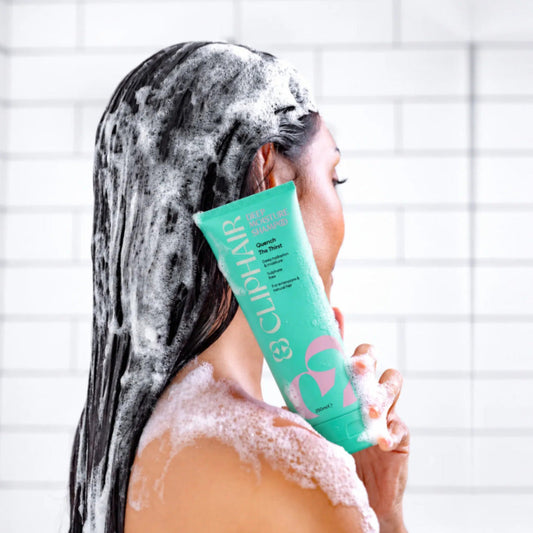
If you want your toner/hair colour to last as long as possible, opt for sulphate-free products focused on nourishing and moisturising ingredients. Plenty of these are available to meet the needs of every budget and hair type, including the Cliphair Deep Moisture Shampoo and conditioner.
Highlighted and balayage hair is especially prone to brassiness because of the repeated lightening process. If you're looking for advice for your Cliphair extensions, read our Colour guide for Highlighted Hair Extensions.
Because highlights and balayage involve lifting only sections of the hair, not just the whole head, those lightened pieces are often processed intensely to achieve a noticeable contrast against the natural base. This makes them more porous and more likely to absorb warmth from environmental factors like UV exposure, hard water and product build-up. Over time, the toner that's used to neutralise those warm undertones fades faster than the colour itself, so brassiness can creep back in long before your next colour appointment.
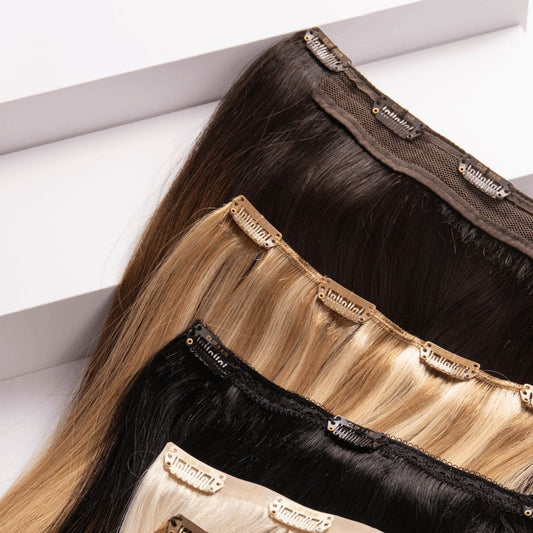
Yes - Remy human hair extensions can pick up brassy tones the same way natural hair does. Just like with your own hair, treat hair extensions with professional toning, never a DIY solution.
If you have blonde or platinum extensions, we have a free colour match service to help you find the right tone for you.
There are a few things you can do to avoid brassy hair returning, so take note. First off, keep a regular toning schedule to keep brassiness at bay. To protect against the sun, a UV protection spray is a good choice, and if you're swimming in chlorine, make sure to rinse your hair immediately afterwards. A tip for hard water is to invest in a filtered shower head!
Our guide to From Blonde to Brassy has everything else you need to know about preventing brassiness.
If you're struggling with brassy hair, by following these simple steps you can keep orange and yellow tones at bay, letting your blonde shine like never before.
Whether you're maintaining a cool platinum, an ashy balayage, or a warm golden blonde, the key is consistency - regular toning, sulphate-free products, and protecting your hair from the elements will make all the difference over time. It's also worth remembering that everyone's hair reacts differently, so if you're ever unsure, a professional stylist can help tailor a routine specifically to your colour and hair type.
If you're looking to add flashes of a different type of blonde or enhance silver and ashy tones, explore our range of Remy hair extensions and find the best shade for you!
At-home toning kits can be unpredictable and are more likely to leave patchy or over-toned results, especially if your hair has been coloured before. We would recommend always getting professional toning, which gives you much more reliable, even results.
Hair should be toned every 3-4 weeks, but very light or platinum blonde shades may need to be done more regularly. This is because lighter shades show brassiness far more quickly than darker tones.
Yes they can do. Hard water can cause brassiness because of the minerals and metals. These can bring out an unwanted orange or yellowy tone in your hair.
The UV rays from sun exposure can also make your hair more brassy, because they can break down natural and artificial hair pigment, revealing warmer tones beneath. The longer the hair is exposed to the sun, the worse the effect can be.
No brassy hair usually doesn’t go away by itself; it needs to be toned to change the appearance of the shade and lighten it again. If you leave it, the brassiness could even get worse.
Possibly, but we’d always recommend consulting a professional stylist for what they’d recommend, rather than attempting a DIY colour correction, which can easily go wrong. Dyeing over brassiness without correcting the underlying tone first can also lead to unpredictable, muddy results.
Yes, blonde hair extensions can go brassy because of the same causes, UV exposure and too much product build-up. The fix is also the same, you’re best off getting professional toning to sort out the shade.
Looking for salon-worthy hair without breaking the bank? At Cliphair, we’re here to help with high-quality clip in hair extensions for quick transformations and permanent hair extensions for long-lasting length or volume, all made from 100% Remy Human Hair. Extensions need special care and maintenance to preserve their quality, which is why we have our own hydrating haircare products, designed to keep your hair soft and tangle-free.
Need to find your closest shade match? Browse our full range of human hair extensions in over 60 shades or check out our FREE Express Colour Match Service to get a great blend with your natural hair.
 Ethically Sourced
 Outstanding Reviews
 Cliphair Rewards
 Free delivery & returns
 Buy now pay later