Article Read Time - 8 Mins
15 Things You Need to Stop Doing to Your Hair
Table of Contents
Most people don’t mean to damage their hair – it just happens, sneakily, through everyday habits that feel harmless. Whether you wear your natural hair proudly, rely on clip in extensions to switch up your style, or juggle a mix of both, your routine matters. In fact, most of the issues people struggle with such as frizz, dryness, breakage and lack of shine all come down to the same handful of repeat mistakes. Fortunately, they’re all fixable. Like the sound of that? Lucky for you, this is our ultimate guide to 15 things you really, truly need to stop doing to your hair – right now!
1. Over-Brushing Your Hair

Hair responds well to gentle encouragement, but not to constant manhandling. Many people brush far more often than necessary, or worse, aggressively drag a brush through knots without detangling them at all.
Over-brushing causes friction, tears through tangles instead of loosening them, and produces breakage that travels upward over time. If your hair looks fluffy, splits easily, or seems to lose its shape the more you brush, that’s your sign.
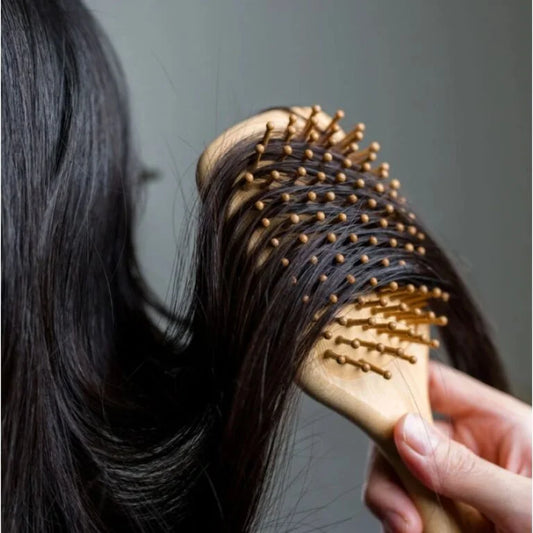
A better approach is to detangle thoughtfully: work from the ends upward, move slowly, and choose a brush designed to glide rather than snag. Brushing should feel gentle and purposeful – not like you’re trying to win an arm wrestle.
2. Using Too Much Heat

It’s tempting to shortcut your way to perfectly smooth or curled hair with daily heat styling, but there’s always a cost if you do it too often. Excessive heat quite literally dehydrates the hair shaft, making it brittle. On top of that, when tools are set too hot, no protectant can fully save the situation.
Still, stylish hair and healthy hair can coexist. Lower settings are almost always enough, especially with modern tools. Heatless styling methods like overnight curls also give surprisingly impressive results and give your strands a much-needed break. And it should go without saying that heat protectant is non-negotiable. Treat it like SPF for your hair: apply every time you expose it to high temperatures.
3. Rough Towel Drying

If you plan on tossing your hair up in a towel after washing it or even roughly drying it with one, there’s ways of doing it without creating stress for your strands. We recommend using a cotton t-shirt or a microfibre towel instead of a regular towel when drying your hair, as it’s important to pat and squeeze any excess water out rather than vigorously rubbing, as this can cause more knots. It’s softer, gentler, and less likely to cause breakage or shedding. Always remember to thoroughly detangle your hair afterwards and apply an oil or serum for some extra TLC. If you want to dry your hair naturally, air-drying it truly is the best way, especially on a hair extension holder.
4. Sleeping With Wet Hair

Going to bed with wet hair seems innocent, especially if you’re exhausted, but it’s a guaranteed recipe for breakage and a build-up of bacteria. Wet strands stretch far more easily – and when they stretch under pressure, they snap. Even worse, tossing and turning presses your damp hair against a pillowcase and creates endless friction.
Sleeping with hair completely loose also has its own issues. Whether you’re going au natural or have permanent extensions installed, it’s vital to remember that hair tangles overnight when it’s free to roam. The fix is simple: dry your hair before bed and loosely secure it. A low ponytail, soft braid, or silk scrunchie helps hair keep its shape and prevents matting. Pair that with a silk or satin pillowcase, and your hair basically spends the night at a spa.
Need a new sleep routine for your locks? Read everything you need to know in our latest guide.
5. Too Many Chemical Treatments

Bleach, dye, perms, relaxers – treat too many chemical processes like a buffet and your hair will eventually protest. Chemical damage sits deep within the hair structure, weakening bonds and making breakage far more likely.
Spacing out chemical services and treatments gives your hair a recovery window. Bond-repair products, hydrating masks, and colour-safe treatments are also a great way of supporting the structure between appointments. Think of them as intense workouts: you need your rest days in between.
6. Over washing Your Hair

Ever wondered “how often can I wash my hair?” – well we have, too. We of course love having clean hair, but too much washing strips away natural oils that keep hair moisturised and protected. Over-washed hair often feels dry at the ends but greasy at the scalp, because the scalp tries to compensate by producing even more oil.
If you’re washing daily, consider reducing the frequency. Sulphate-free shampoos cleanse gently without disrupting the scalp’s balance, and switching to a wash routine every two to three days supports healthier oil regulation. If your scalp feels tight after washing, that’s a tell-tale sign you’re overdoing it.
7. Under-Washing Your Hair

On the opposite end of the spectrum, not washing enough leads to build-up – oils, sweat, styling products, and environmental debris all accumulate on the scalp. This can clog follicles, cause irritation, and make hair look dull no matter how much serum you slather on. Even if you use dry shampoo, your scalp still needs a proper cleanse. Hair should feel light, fresh, and free – not coated. A good deep clean once a week, or slightly more often for oily hair types, helps everything function smoothly.
8. Ignoring Split Ends

Split ends are not negotiators – they do not heal, retreat, or decide to be better for you. If you want to know how to get rid of split ends, the truth is, once the hair is split, the only solution is trimming them with scissors or a split end trimmer. Leaving split ends too long allows them to travel upward, thinning the hair and making it appear frayed.
In general, getting a haircut not only makes you feel refreshed, but it also works wonders for your hair’s health. We recommend having your hair trimmed at the salon or by a professional hairstylist every 12-14 weeks to remove dead or split ends and give your locks a new lease of life. It makes it look tidier, cleaner, and actively encourages healthier and faster growth.
9. Skipping Heat Protection

Yes, we already mentioned heat protectant spray. Yes, we’re mentioning it again. Why? Because skipping it is one of the fastest ways to damage your hair. Heat protectants form a barrier that reduces moisture loss and shields the cuticle from direct heat exposure. It takes two seconds to apply, but the long-term payoff is huge: more shine, fewer breakages, and styles that last longer. If you're using any form of heat – even warm airflow from a hairdryer – protectant should always make an appearance first.
10. Products That Don’t Suit Your Hair Type

Your hair deserves a personalised care routine, not a one-size-fits-all approach. Fine hair tends to get overwhelmed by heavy masks and oils, leading to limpness. Coarse or curly hair, on the other hand, often craves deeper hydration than a basic conditioner provides. Clip-in hair extensions require particular attention: sulphates and drying alcohols can break down the bonds and shorten their lifespan dramatically. Choose extension-friendly formulas that hydrate without slipping or stripping. Understanding your hair type creates a routine that works with your hair – instead of against it.
11. Wearing Too Many Tight Hairstyles

Super-slick ponytails and braided styles look incredible, but when worn repetitively, they place constant tension on the follicles. This tension can lead to breakage at the hairline, frayed ends, and even traction alopecia over time. Alternating between styles gives your hair a much-needed break. Soft, loose styling days should be a regular part of your weekly routine. If you wear human hair extensions, low-tension looks are especially important to protect your natural hair.
12. Brushing and Styling Extensions Incorrectly

Professional and clip in hair extensions look their best when treated with gentle precision. Tugging, yanking, or brushing without supporting the root can loosen bonds and create unnecessary shedding. Instead, take your time when brushing and always hold the extension near the root to avoid pulling. A proper extension-safe brush is worth every penny – it glides through hair without catching. Options like paddle brushes with bobbles on the end can get cause knotting and get caught up in hair extension seams or bonds, so it’s important to find the right type for you. Good technique keeps your Remy hair extensions smooth, sleek, and long-lasting.
13. Forgetting Weather Conditions

UV rays, cold weather, humidity, pollution, and even hard water from rain play their part in weakening hair. Sun exposure fades colour, chlorine strips moisture and winter air makes hair feel brittle. Protective sprays, hats, regular rinsing after swimming, and using richer conditioning in colder months all help buffer your hair from the world’s less-friendly elements. Think of it as treating your hair like you treat your skin, aware of the surroundings and ready for them.
14. Using Poor Quality Tools

Straighteners that have seen better days, hairdryers overheating, brushes missing half their bristles – these tools sabotage your hair silently. Old straighteners may have uneven heat distribution, scorching certain sections. Cheap elastics tug and cause friction. Refreshing your tools every so often ensures you’re intentionally harming your hair. Look for gentle bristles, adjustable heat settings, and accessories made from soft, snag-free materials like silk or satin.
15. Neglecting Your Routine

Sometimes hair struggles not because you’re doing the wrong things, but because you’re not doing much at all. Healthy hair thrives on consistency: conditioning, mask treatments, trims, hydration, scalp care, and balanced nutrition all play their part. It doesn’t need to be complicated – just regular. Think of your haircare routine as a ritual rather than a chore, something that pays off every time you catch a glimpse of your reflection and see shine instead of stress.
Conclusion:
You don’t need a complete haircare overhaul, just a few thoughtful shifts. Changing even a couple of the habits above can dramatically improve the way your hair looks and feels. Healthier hair isn’t about perfection – it’s about awareness, balance, and giving your strands the respect they deserve.
If you want a head start, Cliphair has the best heat protectant spray on the market along with a wide range of brushes, haircare and other essential hairstyling accessories, along with expert care tips designed to help you protect your hair rather than battle with it. A few smarter choices now create a lot more swish later!